
Signal is the app organisers name when members care about privacy. It’s a fair choice, and also an incomplete one. Signal’s blog says it stopped showing phone numbers to people who don’t have them saved in February 2024, but you still need a number to sign up. So the question for an association isn’t whether Signal is private. It’s whether it fits a group of 50 to 500 adults who don’t all know each other.
What Signal hides
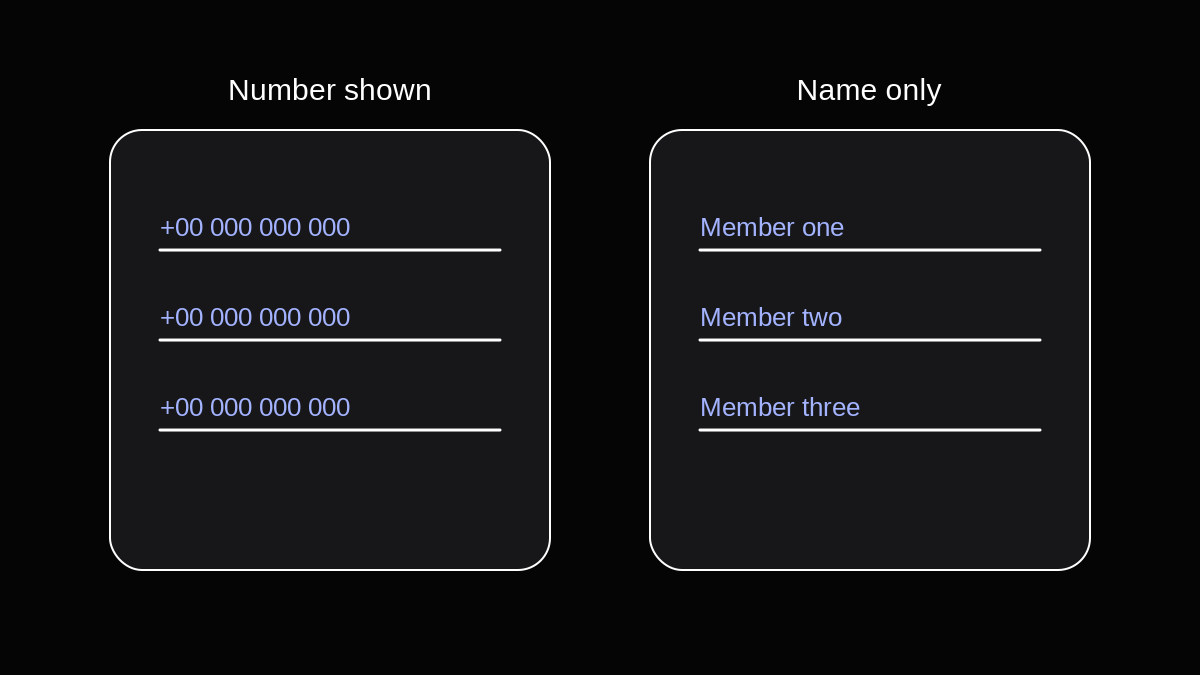
Members who haven’t saved each other’s numbers see a profile name instead of a number, and a member can set a username too. That’s the main difference from an ordinary WhatsApp group, and it’s why Signal gets recommended for diaspora associations and support groups.
Messages in groups are end-to-end encrypted, which is Signal’s whole pitch. We’d still tell members that anyone who is in the group can screenshot or copy what they read. Encryption protects the message on its way, not the member list in someone’s head.
The admin controls
Signal gives admins the settings an organiser wants: who can edit the group’s details, who can send messages, and whether new members need approval when they join through the invite link. Names and menus change between versions, so check the app’s current settings.
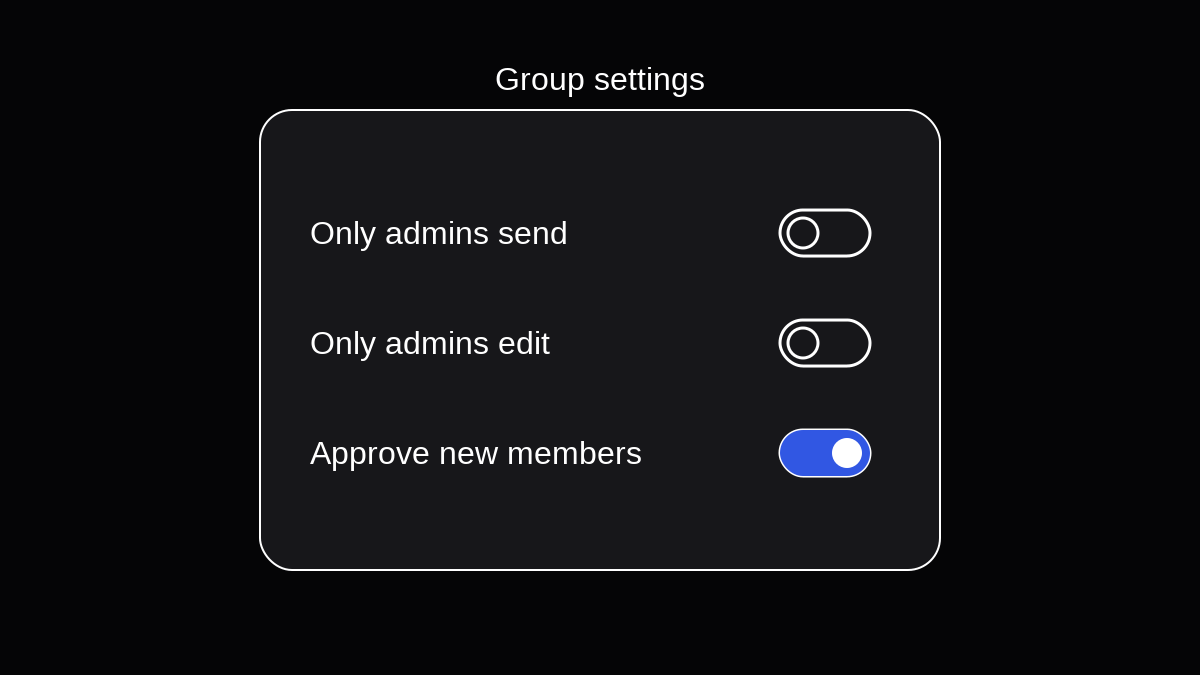
We’d turn on approval for any group that uses a link. A link pasted into one forwarded email ends up anywhere, and approval is the committee’s chance to compare a name with the membership list. It adds work, but it’s the same work as the first week of any membership clean-up.
Where Signal is a harder fit
- Everyone needs a Signal account, and the older members of an association are the ones least likely to want a new app.
- Signal caps groups at 1,000 members, according to its support pages, which is plenty for 500 adults.
- There’s no tidy notice board with sections. One group is one place, and notices scroll away.
- Admins can see who joined, but not who invited them.
None of that is a fault. Signal is built for private conversation, not for running an association.
FAQ
Do Signal group members see my phone number?
Not unless they have it saved, since February 2024, according to Signal’s blog. Check that your members are on a recent version of the app.
Can I run an association on Signal alone?
For a small committee, yes. For hundreds of members with sections and notices, most organisers add an email list for the people who never install anything.
Is Signal better than Telegram for privacy?
Signal encrypts group messages end to end. Telegram’s ordinary groups aren’t, as far as we can tell from its FAQ; see our piece on Telegram group privacy. Both need a phone number to sign up.
Where WLP Chat fits
We built WLP Chat for the gap above. A member joins a room through an invite link, which shows the room’s purpose and rules first. The organiser can check the invitation chain and revoke an invite that went too far. Each member uses a different name in each room, with no phone number or email.
It has no direct messages and no public channels. Its messages are end-to-end encrypted, but Signal’s encryption is proven and ours isn’t yet: an independent security audit is planned, not done. We’d rather you knew that now.
If you organise a group of 50 to 500 adults, you can tell us about your organisation and we’ll reply within two working days.