
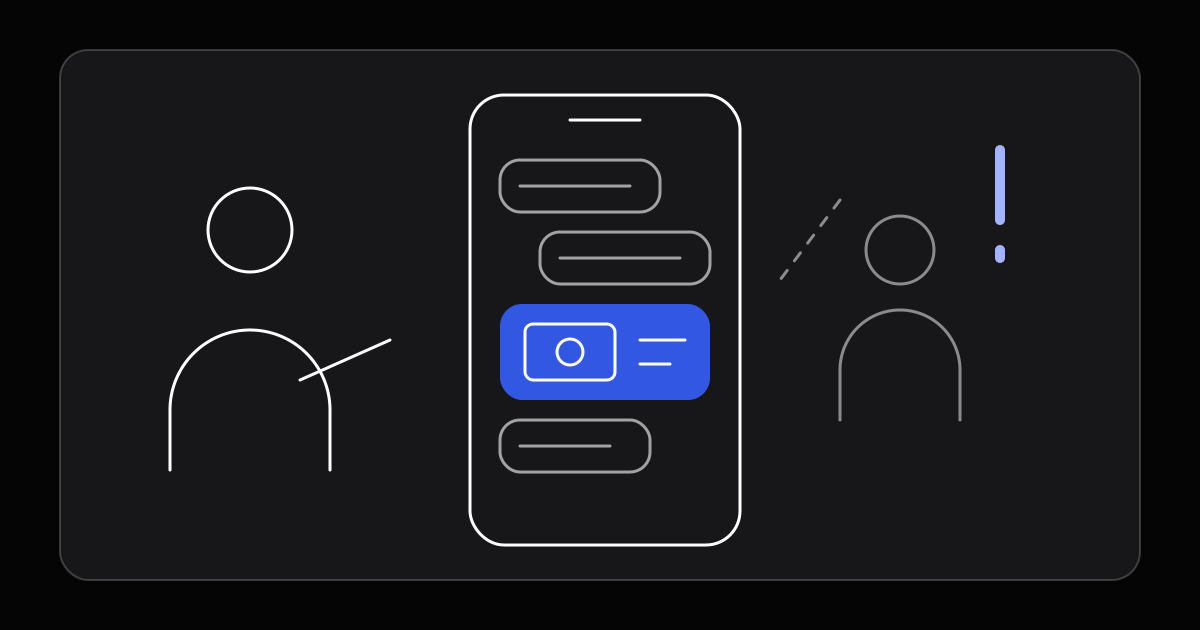
It’s a Tuesday evening. A message arrives from “Olena, treasurer”: the hall deposit is overdue, could someone send 300 pounds tonight and she’ll pay it back at Saturday’s meeting. One member has her banking app open before another replies, “Olena is sitting next to me.” Nobody lost money that time. But the organiser now knows the club group chat has a stranger in it, and the next attempt may come at a quieter hour.
What scam messages in a club chat look like
They borrow the trust the group already has, which is why they work on sensible people.
The fake prize is the clumsy one: a link to claim a voucher “for all members”, usually from a name nobody recognises. The “new number” plea is harder to spot. Someone writes as a member you know, says they lost their phone, and asks for a small favour that turns into a payment or a code sent by text. Then there’s the investment tip, dressed as friendly advice and often about crypto, with a private offer to “explain more”.
Underneath, they ask for the same things: hurry, and step out of the group. Pay now, or message me privately. We’d treat any message that does both as phishing until the person behind the name confirms it, even when that name belongs to someone on the committee.
The first hour after one appears
Delete the message for everyone, or ask an admin who can. Then remove the sender. If it’s a real member whose account was taken over, you can add them back once they’ve recovered it, and they’ll understand why you acted fast.
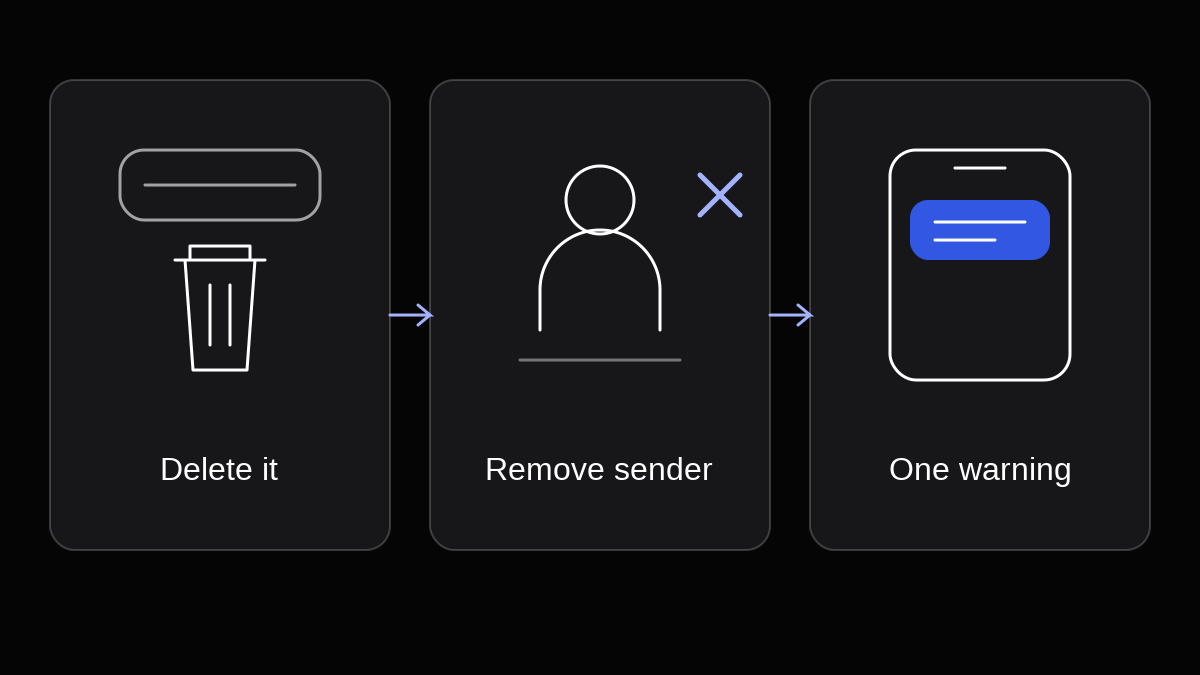
Next, one calm warning post. Something like: “A message asking for money was posted from a fake account and has been removed. The committee never asks for payments in this chat.” Keep it short. We wouldn’t repost a screenshot of the scam, because someone will still try to tap the link in it.
Don’t name the member who replied or nearly paid. They did nothing stupid; the message was built to look like someone they trust. Shame them in front of 200 people and the next member who gets fooled will keep quiet, and that’s the person you most need to hear from.
Close the door they came through
Every stranger came in somehow. Our first question is always how, because the answer tells you what to change.
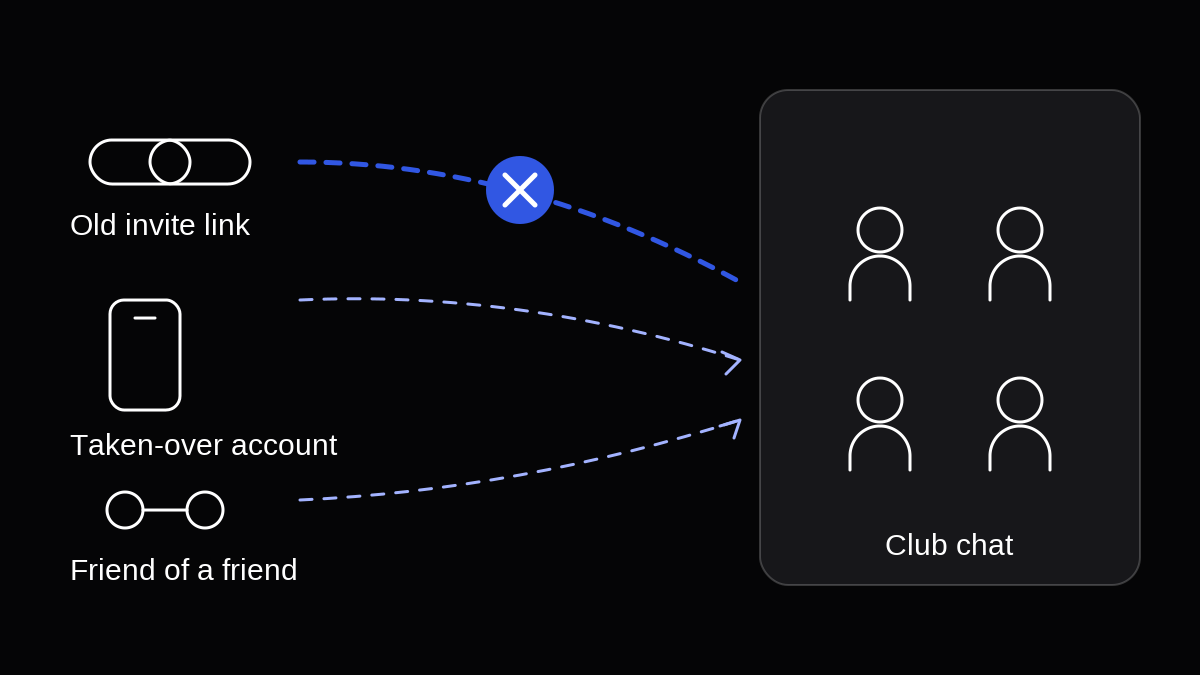
Most often it’s an open invite link that has travelled beyond the club, posted on a public page years ago and forgotten. Reset it so the old address stops working, and send the new one only to people who’ve asked. A member’s account taken over is the other common route: the scammer writes from a real profile, which is exactly why the “new number” plea works. And sometimes it’s simpler than that, a friend of a friend added by a member who meant well.
If your club group chat keeps leaking like this, it may be time to read about moving a group chat off WhatsApp to a place where joins are limited. Either way, check the app’s current settings for who can add people and whether admins approve new members before they get in.
Teach members one habit
Members won’t learn ten rules. They’ll remember one, if it’s short.
Ours would be: nobody from the club asks for money or a code in the chat. If a message does, ring the person or ask them face to face before you do anything. That one habit stops the fake treasurer and the lost phone, and most scam messages that come after them.
Put it in a pinned message, two lines long, so it’s there when someone scrolls up in doubt:
“The club never asks for money, bank details or codes in this chat. If a message does, check with the person by phone or in person first.”
We’d also add it to the welcome you send new members. When the next attempt comes, point at the pinned rule rather than writing a fresh warning, so members learn where to look.
FAQ
Should I report the sender to the app?
Yes, through the app’s own report option, before you remove them if the app needs that order. A report helps the platform close the fake account so it can’t move on to the next group. Check the app’s current settings, since the steps change between versions.
A member lost money. What now?
Their bank comes first, as soon as possible, since a fast call is their best chance of stopping a payment. After that, the police’s fraud reporting line in their country. You support them: help them find the right numbers and keep a copy of the messages, but leave the investigating to the bank and the police.
How a WLP Chat room handles strangers
We built WLP Chat around one question: how did that person get in? In a WLP Chat room an invite link lasts from 24 hours to 30 days and runs out after a set number of uses, so a forgotten link stops working on its own. The organiser sees the invitation chain, who invited whom, and can revoke a link in one tap. There are no direct messages between members, so nobody can pull someone aside for a private “favour”. Nobody’s phone number is shown to the room either.
End-to-end encrypted. Independent security audit planned.
If you organise a group of 50 to 500 adults and want to try it with us, get started and we’ll reply within two working days.